
-min.jpg)
-min.jpg)


.avif)





A NEW EXPRESSION

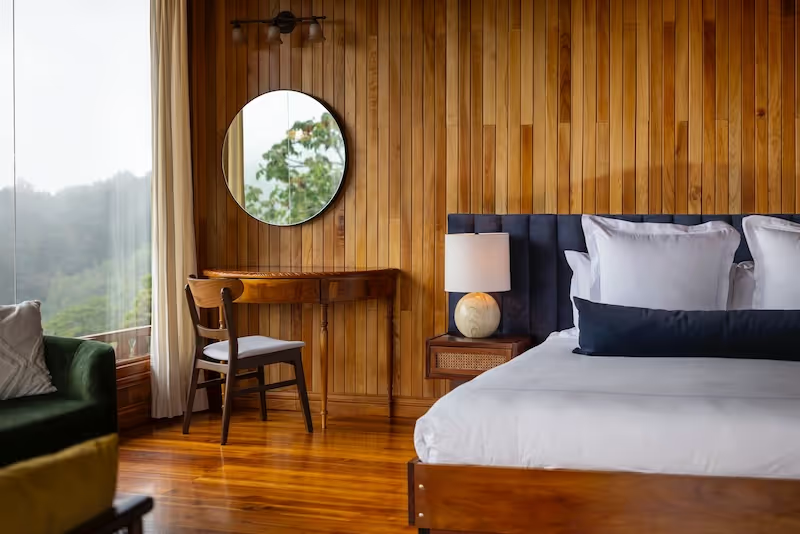
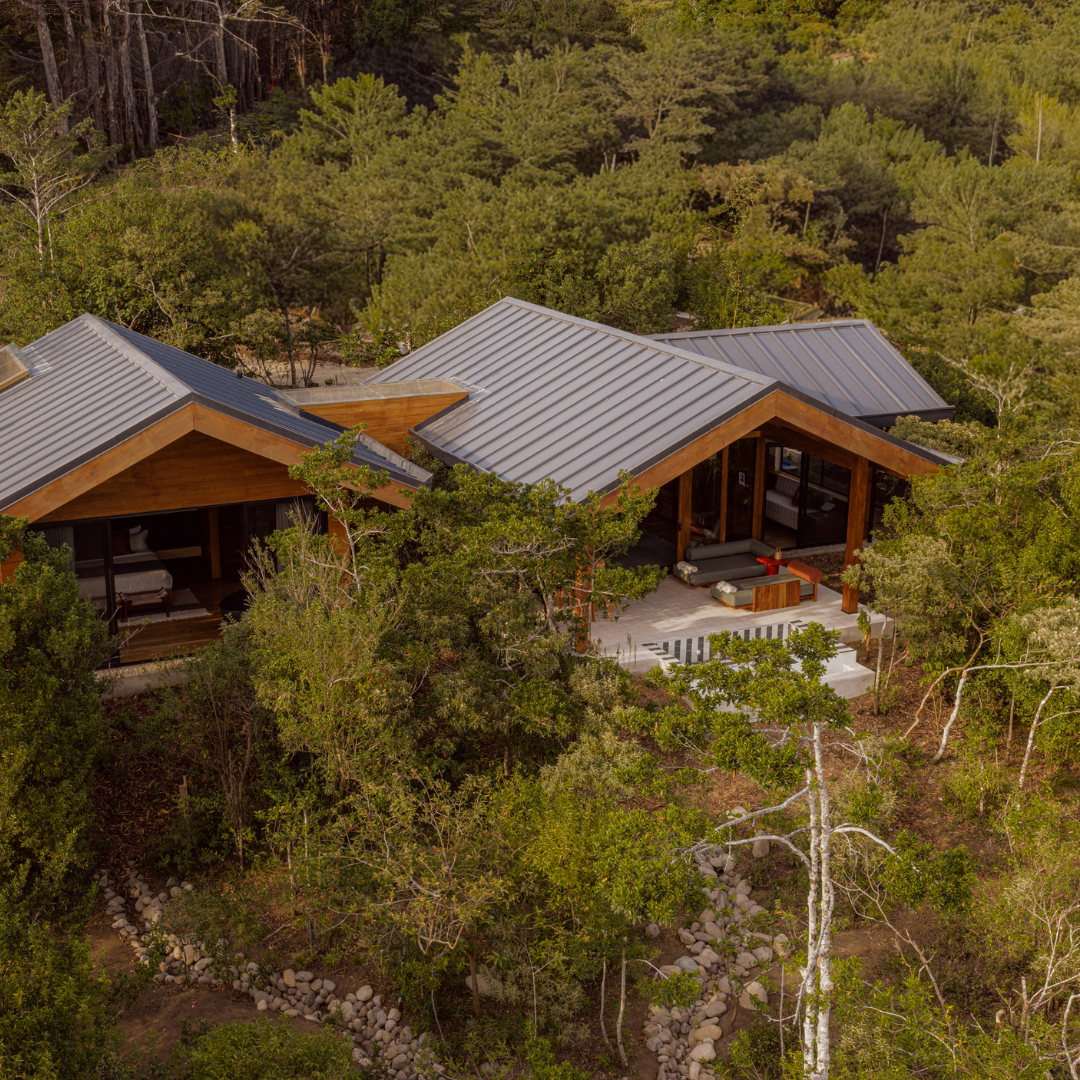
Our new state-of-the-art villas represent a new chapter in the history of Belmar — where conscious luxury and nature meet to redefine the Monteverde experience, embodying The Art of Nature in its most elevated form.
The collection includes seven one-bedroom villas averaging 125 m² (1,295 ft²) and three two-bedroom villas averaging 205 m² (2,155 ft²).
The Villas
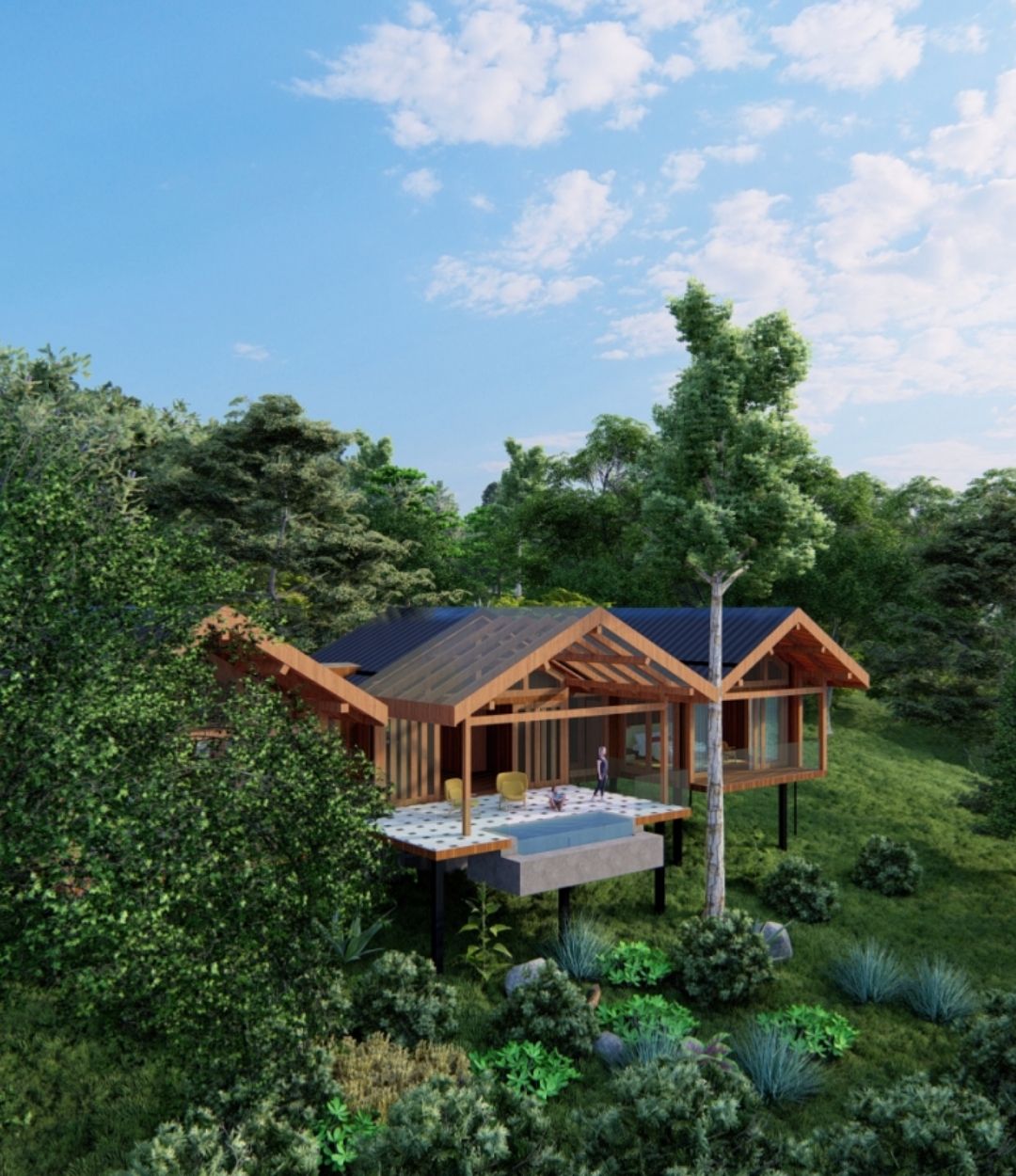
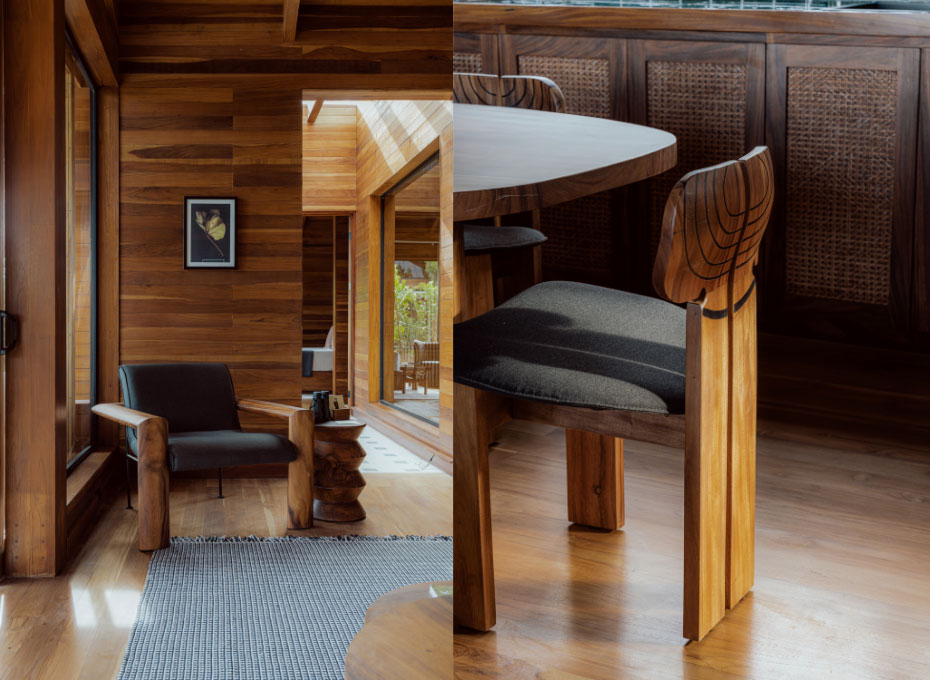
Each of our ten villas has been designed as a private retreat — balancing space, intimacy, and an immersive connection to nature.
The collection includes seven one-bedroom villas averaging 125 m² (1,295 ft²) and three two-bedroom villas averaging 205 m² (2,155 ft²).
Rooted in the spirit of The Art of Nature, Artista redefines luxury in Monteverde: contemporary yet timeless, crafted with integrity, and deeply connected to its mountain landscape.
Features
.png)
.png)
.png)
.png)
.png)
.png)
.jpg)



Artista – 2 Bedrooms
Designed for shared stays with a strong sense of privacy, this two-bedroom villa connects independent bedrooms through glass-enclosed walkways that keep the surrounding forest present throughout the experience.
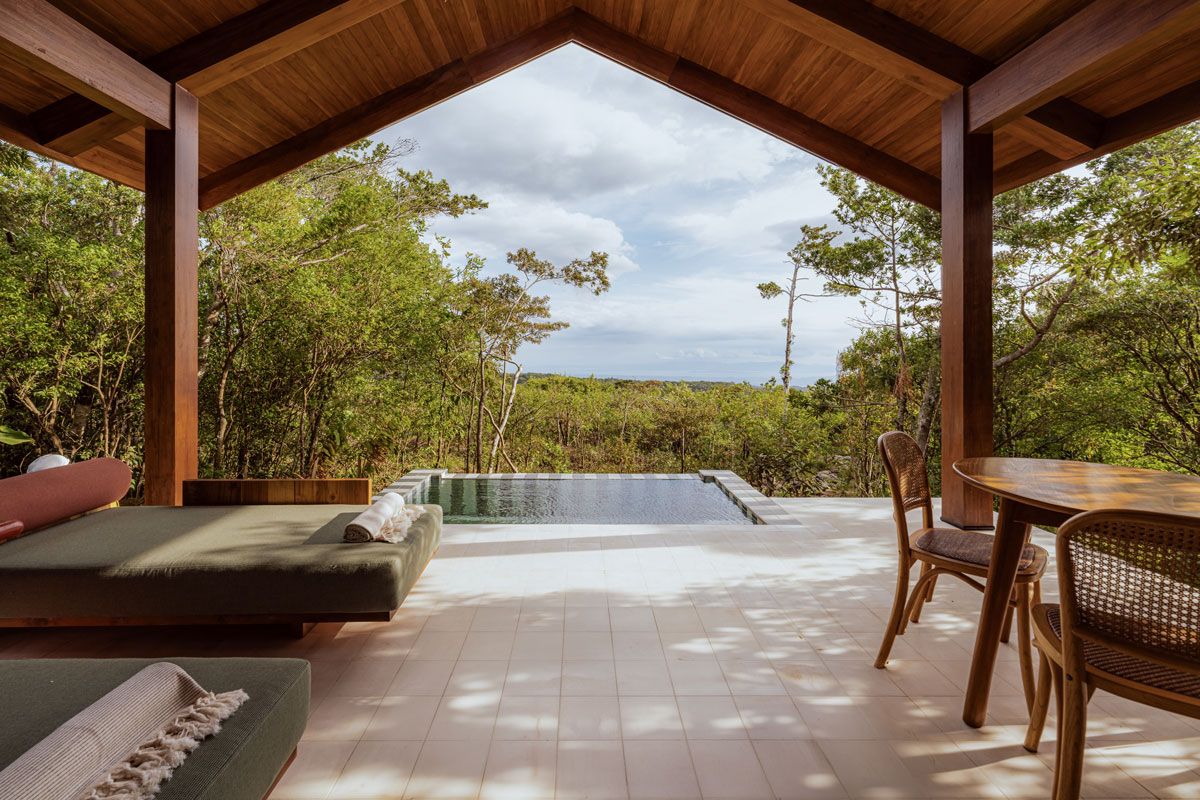
At its center, an open living area extends onto a spacious terrace with a saltwater plunge pool and panoramic views of the cloud forest and Gulf of Nicoya. A fully equipped kitchen allows for more personalized moments, from relaxed gatherings to private chef service.
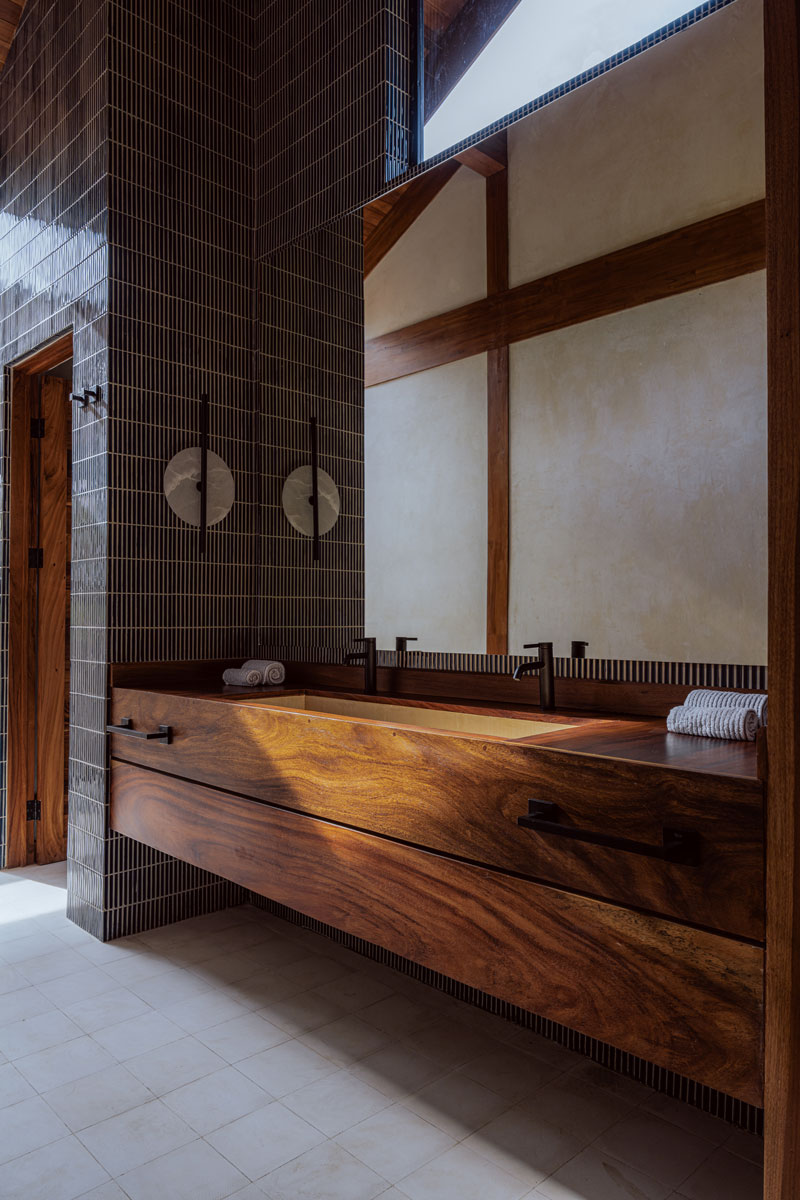
Each bedroom features a spa-inspired ensuite bathroom with dual rain showers, skylight views into the cloud forest, a double vanity, walk-in closet and dressing area, and locally crafted organic bath amenities. Free of televisions, the villa invites guests to slow down, reconnect, and experience Monteverde with greater presence.


Artista – 1 Bedroom
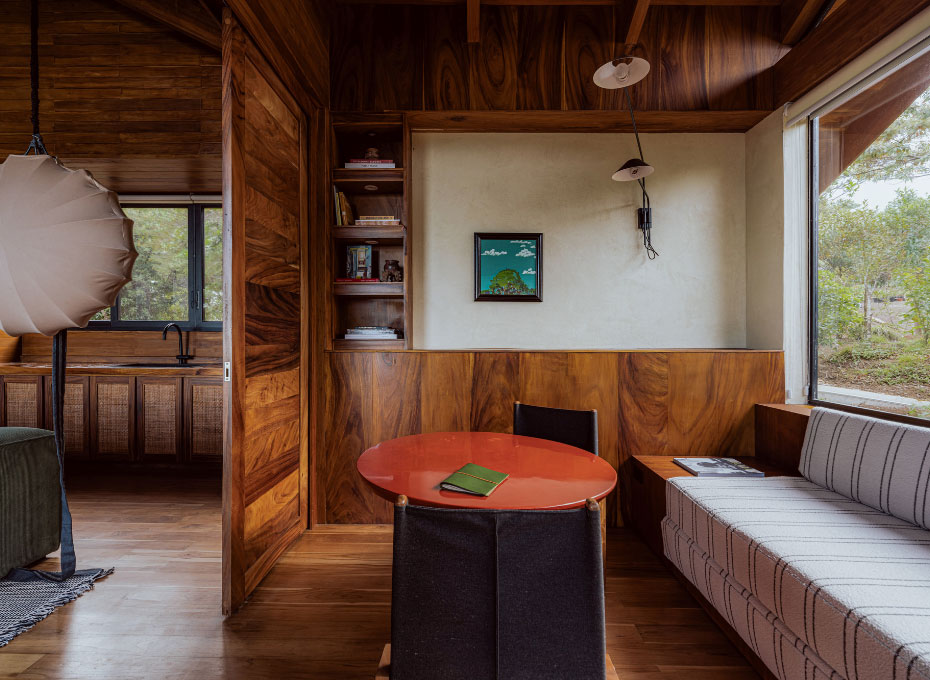
An intimate one-bedroom retreat designed for rest, creativity, and deep connection with the cloud forest. The villa features an open living area that extends onto a private terrace with a saltwater plunge pool, framing panoramic views of the forest and the Gulf of Nicoya.
A dedicated studio offers space for reading, writing, or quiet work, with a thoughtfully integrated Queen bed for added flexibility. The main bedroom includes a freestanding soaking tub, while the spa-inspired ensuite bathroom features dual rain showers, skylight views into the cloud forest, a double vanity, walk-in closet and dressing area, and locally crafted organic bath amenities.
Intentionally free of televisions, the villa invites a slower rhythm, enhanced by a premium minibar with curated craft beverages, local snacks, and exclusive products.
3 adults or 2 adults and 2 children
signature amenities
Beyond just accommodation, our amenities are designed to provide a unique and enriching environment. At Hotel Belmar, your well-being and enjoyment are our priority, turning your stay into an unforgettable experience.
.svg)
.svg)
.svg)
.svg)
.svg)
.svg)
.svg)
.svg)

Exclusive Artista Amenities
A curated selection of elevated amenities designed exclusively for Artista, offering added comfort, personalized service, and meaningful experiences that deepen your connection to Monteverde.











Notes
- Accessibility: Due to the hotel’s mountain topography and layout, some areas and room categories entail stairs or sloped pathways. Select Artista Villas and one Peninsula Room are available for guests with accessibility needs, making them the most suitable options for guests with mobility challenges. Our team will gladly assist you in selecting the best accommodation to ensure a safe and pleasant stay.
- Rates are based on double occupancy, except for the 2-Bedroom Villa, which is based on quadruple occupancy.
- Rates include breakfast. The 13% VAT is not included.
- Please note that our rooms do not have televisions or air conditioning, as Monteverde’s average temperatures range between 16–18°C. Artista Villas include air conditioning, but do not have televisions.
A Catalyst for Innovation and Regenerative Growth
This project represents more than an expansion — it’s a platform for innovation in sustainable hospitality. Every villa was designed to minimize impact, regenerate the surrounding ecosystem, and inspire change within the industry.
Explore below how each action reflects our vision of growth in harmony with nature.
Less water use than traditional buildings
Higher energy efficiency than conventional similar buildings
Of the property preserved as natural forest or under active land regeneration

%20(1).avif)
Ecosystem Regeneration
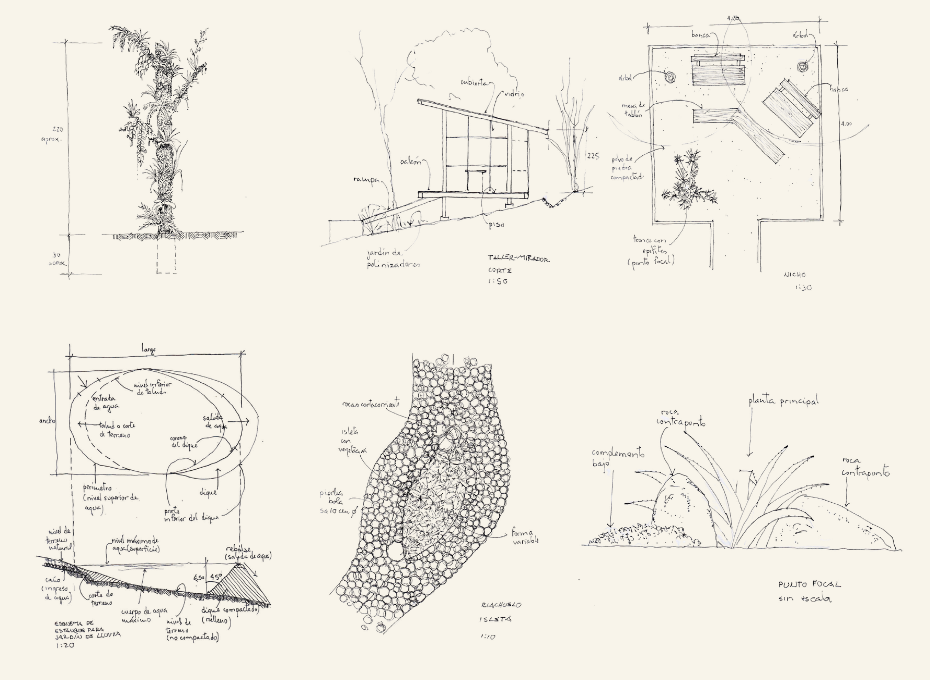
We are actively advancing a long-term regenerative plan for the land that now hosts our hotel and the new villas — once used for cattle grazing. Building on years of restoration efforts, our current focus includes specific strategies to support ecosystem recovery, enhance biodiversity, and transform the landscape into a sustainable and resilient environment. This stage reaffirms our commitment to building in harmony with nature, honoring regeneration as a core part of our vision sustainable landscape. This phase reflects our ongoing commitment to stewarding the land not just for beauty, but for resilience and balance.

Pursuing excellence in regenerative hospitality
Artista is currently pursuing CORE Green Building Certification™, from the International Living Future Institute, one of the world’s most rigorous sustainability standards that validates regenerative design, energy efficiency, and net-zero environmental impact.
This certification reinforces our commitment to sustainability at the highest level, positioning the villas as a model of excellence within the evolving landscape of conscious, nature-integrated hospitality.

Water reuse and advanced treatment
At Belmar, water is treated as a vital and finite resource. This project integrates rainwater harvesting and the advanced BioNest biological treatment system to minimize water waste and promote reuse for non-potable needs such as laundry and irrigation.
Beyond reducing the environmental footprint of the new villas, these systems will also enhance the sustainability and efficiency of the existing hotel operation, contributing to a more holistic and resilient water strategy. Altogether, the initiative is expected to achieve at least a 50% reduction in overall water consumption compared to conventional hospitality models, with a long-term ambition of achieving net-zero or water-positive performance — positioning Belmar as a regional leader in regenerative water management.

Energy-Efficient design for long-term performance
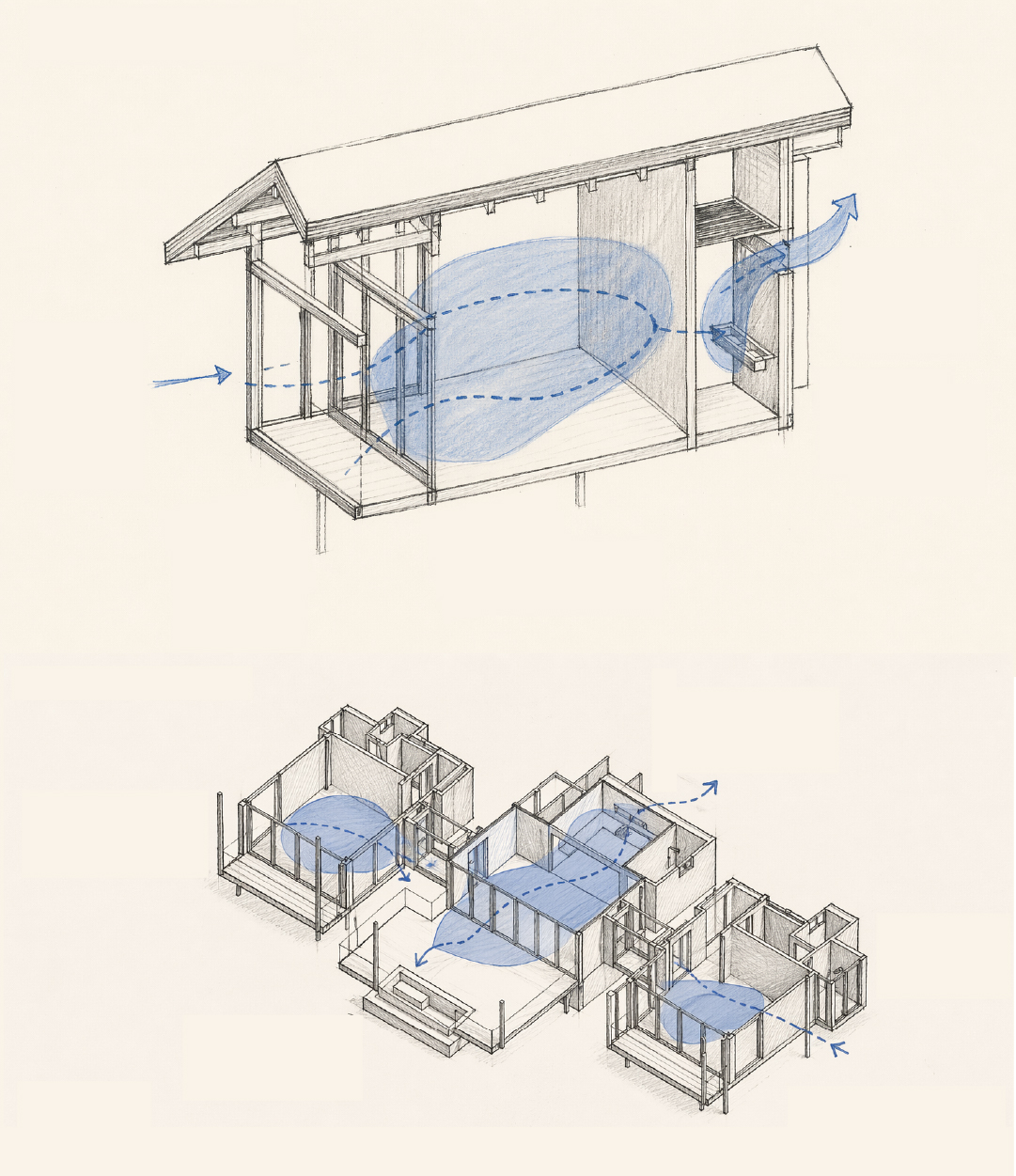
Through a combination of thermal modeling and AI-powered design optimization, the villas have been engineered to drastically reduce energy consumption, particularly for climate control. Key features such as cross-ventilation, solar-filtered glass, heat pump systems, and thermal panels allow the buildings to maintain comfort while minimizing reliance on mechanical systems.
This design strategy is expected to achieve at least 70% lower energy use compared to conventional constructions, solar energy is gradually being added to supply the remaining need .
Moreover, the knowledge and systems developed through this project will positively influence energy efficiency across the broader hotel operation, reinforcing Belmar’s commitment to low-impact, high-performance hospitality.
Innovative Construction with Low-Impact Materials
Artista project has been designed to reduce environmental impact from the ground up, with a strong focus on material innovation. We are partnering with Nestetik, a Swiss firm specializing in FSC-certified timber structures, to implement a modular construction system that works like a precision puzzle assembled on-site — significantly reducing waste and energy use during the building process.
We are also incorporating bagacreto, an eco-friendly material made from sugarcane bagasse and lime, which has a much lower carbon footprint than traditional concrete or steel. In addition, HDPE (High-Density Polyethylene) — a recyclable, durable, and non-toxic material — is being used for select structural and plumbing components, offering a resilient alternative with reduced environmental impact throughout its lifecycle.
.avif)


.svg)
